
Gas Hits €97 as Winter Storage Drops to 75 Percent
European wholesale prices match 2022 peaks while storage levels sit at their lowest point in ten years.
By Elena Morales ·
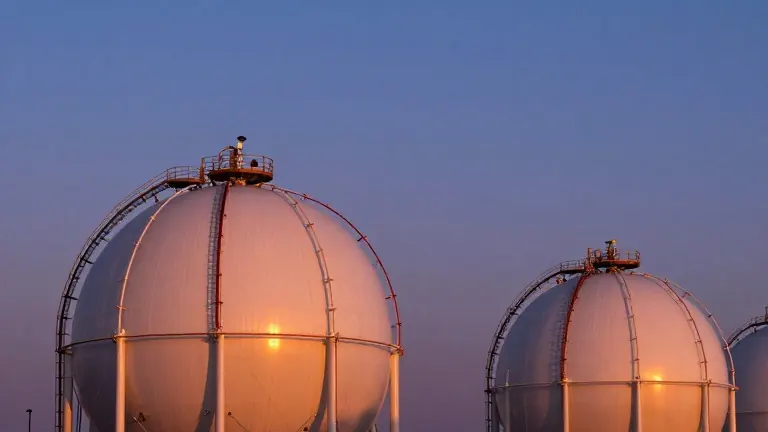
European wholesale gas prices reached €97 per megawatt-hour on Monday, a level not seen since 2022. The spike coincides with falling temperatures across the continent and renewed concerns about winter fuel supplies.
Three factors drive the current market volatility. First, storage levels across Europe stand at approximately 75 percent capacity. This figure represents the lowest level recorded in more than a decade. Second, the UK month-ahead gas contract rose 4 percent to 240p per therm, its highest point since December 2022. Third, traders are pricing in potential supply disruptions from the Middle East.
Reports indicate that the United States and Israel have drafted plans for new strikes against Iran following the US midterm elections. These developments pushed oil prices to $117 a barrel on Friday. Although the Brent crude benchmark fell roughly 2 percent on Monday, it remains above $114 a barrel. The higher gas prices are also linked to reduced exports from Qatar and increased summer consumption for cooling systems.
The situation in the United Kingdom is particularly acute due to structural reliance on imports. British energy regulators state that the country will likely face some of the highest energy costs in Europe this winter. The UK maintains some of the smallest gas storage facilities in the region after decades of reliance on North Sea production. Data from the Office for National Statistics shows the UK spent a record £4 billion on power imports in the year through August. Half of that expenditure covered electricity purchased from France.
Grid inefficiencies have further strained the system over the past year. The country made near-record payments to start up gas plants while wind and solar farms were compensated for switching off due to grid bottlenecks. As a result, British households face a 16 percent increase in energy costs in January. This rise is expected to push the typical annual dual fuel bill to the equivalent of about £2,000.
Financial markets showed limited reaction to the energy spike. The Stoxx Europe 600 index gained 0.3 percent in early Monday trading, while the FTSE 100 rose by 0.4 percent. The slight gains in stock prices were attributed to the softer oil price providing some relief to investors.
Source: The Guardian
More Business · World news · Scam Watch · Report a business · Got a Story?