Hebron Families Moved Out With Little Warning, No Return Date Set
Israeli forces evacuated parts of Hebron after a Friday attack killed two soldiers, and 407 households have been affected, local relief officials say.
By Evan Carter ·
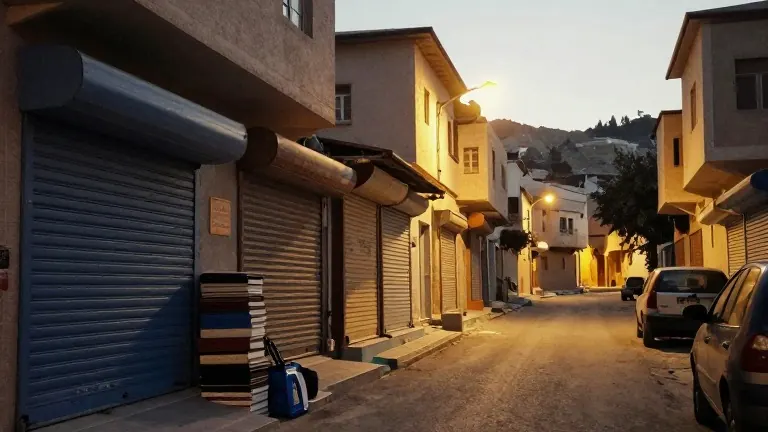
Families in several Hebron neighborhoods were told to leave their homes with little time to pack and still have no date for coming back, according to the official Support and Relief Committee in the city. Israeli forces set up new checkpoints and moved people out of parts of Hebron after an attack on Friday by Ahmad and Hamouda Al-Jabar, Palestinians from the Ein Deir Bahha area. The attack killed two Israeli soldiers and wounded several others.
Riad Khamis, who speaks for the Support and Relief Committee, shared figures collected Monday covering Ein Deir Bahha, Al-Jilda, Khillet Al-Magharbeh, Farsh Al-Hawa, and nearby areas. The data shows 407 households and 2,649 people affected by the military action. Among them are 1,109 people under 18, including 180 children under two, plus 218 elderly residents, 115 women who are pregnant or postpartum, 28 people with disabilities, and 162 people living with chronic illnesses.
Most displaced Palestinians have found somewhere else to stay with relatives or by renting, but Khamis said 168 households have no safe accommodation available. He described families without alternatives as staying with relatives in crowded conditions, with some spending nights outdoors. Requests for help have included 231 households asking for food, 129 for medicines, 107 for baby formula and diapers, and 126 for shelter. Others have asked for clothing, mattresses, blankets, and psychological support.
Khamis said people leaving their homes complained the military did not give them enough time to prepare, and that they had no clear information about how long the operation would last or when they could return. He said his committee had no information that arrangements were made to help elderly, disabled, or sick Palestinians move, calling it a difficult situation for families with members needing ongoing medical care.
Milena Ansari, who directs the Palestinian Territory Department at Physicians for Human Rights Israel, said on Sunday that interruptions to routine care can turn managed conditions into emergencies. She said people with diabetes, hypertension, kidney disease, or cancer depend on regular treatment and medication, and that displacement separates them from medicines, doctors, and medical records. She added that winter makes these risks worse.
The Israeli military had not responded to a request for comment on these accounts as of Monday.
Source: The Jerusalem Post