Israel Election: Security Trumps Global Image Concerns
Polls and analyst insights indicate domestic security priorities outweigh international reputation drops ahead of the October 27 vote.
By Evan Carter ·
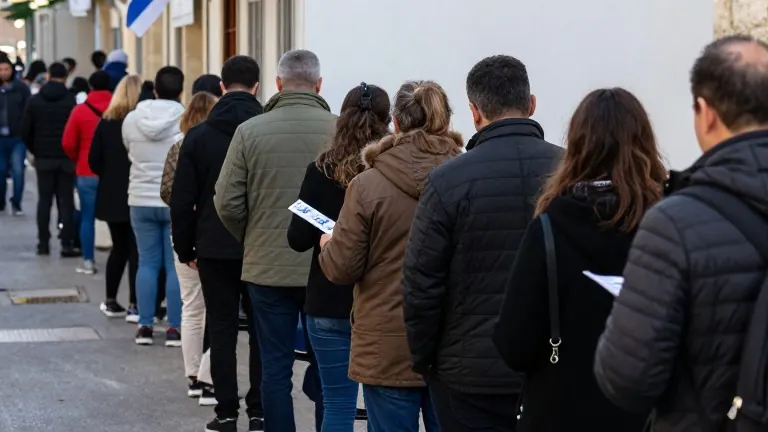
Israeli voters are heading to the polls on October 27 with domestic security firmly at the top of their agenda, despite a sharp decline in the country's international standing. Analysts indicate that while global image has become a talking point, it remains a secondary concern compared to the immediate aftermath of the October 7, 2023, Hamas-led attack and the political divide surrounding Prime Minister Benjamin Netanyahu.
Recent reports of hostility against Israelis abroad have fueled domestic debate. In July, tourists in Montenegro were confronted by people accusing them of vacationing during a genocide. Other incidents include a Greek restaurant in Athens denying service to an Israeli woman, a mother and daughter being beaten in Thailand after identifying their nationality, and a couple in California being asked if they were "baby killers" while checking into a hotel.
These anecdotes align with broader data on global sentiment. A Pew survey conducted from February to May found that a median of 67% of adults across 36 countries view Israel unfavorably. More world leaders have described military operations in Gaza as disproportionate, and some countries, including allies, have moved to distance themselves or impose sanctions following government policies and settler violence in the West Bank.
Yaakov Katz, a senior fellow at the Jewish People Policy Institute, told the Jewish Telegraphic Agency that this criticism has not yet translated into a major electoral issue. He noted that many Israelis accept the argument that global hostility is rooted in antisemitism and will persist regardless of policy. Katz warned that voters may underestimate the consequences of declining support, particularly in the United States, though they take comfort in President Donald Trump's endorsement of Netanyahu.
Ofir Dayan, a senior fellow at Tel Aviv University’s Institute for National Security Studies, stated that Israelis are troubled by foreign hostility but prioritize other issues after more than three years of war. She said, "Israeli voters are very much one-issue voters, and the issue in this election is security." Former IDF international spokesman Peter Lerner agreed, noting that foreign standing ranks behind internal divisions over Netanyahu and the left-right spectrum.
Few of the roughly dozen parties expected to enter the Knesset have detailed public diplomacy plans. B’Yachad, led by former prime ministers Naftali Bennett and Yair Lapid, proposes a non-voting parliamentary observer for Diaspora Jewish issues. Amcha Yisrael, the new right-wing party led by former IDF Brig. Gen. Ofer Winter, lists public diplomacy activists Yoseph Haddad and Fleur Hassan-Nahoum as candidates, with Haddad expressing interest in a ministerial role.
Journalist Eylon Levy told JTA’s "Waiting for 61" podcast that candidates generally view public diplomacy through the lens of national interests. He described the far-right Otzma Yehudit Party’s approach as emphasizing toughness and criticized left-leaning expectations for quick normalization. Levy added that a government change would be unlikely to transform international perceptions immediately, though a more moderate administration might receive a grace period.
Source: The Jerusalem Post